


|
|
|
|
|
|
|
|
 |
 |
 |
 |
 |
 |
 |
|
INTO THE WATER
|
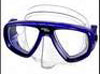 |
Before going into the water it's necessary we make sure we have all our equipment ok, for us and also for the camera. Snorkelling not need much, and it's also possible to provide the equipment in the Diving or the Resort. The mask has to be comfortable and with soft silicone on the face. No need absolutely to press much the mask on the face. Another good measure it is to prepare the mask before entering the water, so that it doesn't steam up. appanni. | |
|
A system widely used it is to use a little spit, but
we don't like it. We have known that it's very effective the toothpaste.
Just pass it on the lens of the mask and then wash out when you enter
in the water: try before you trust. Another system, of course, it is to
spray the lens with a special anti-fog solution (sport shops).
|
 |
|
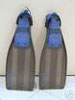 |
With regard to the fins, just keep them clean and wet before entering water. Always use fins a little more large than exact size. Sometimes, swimming very long, may arise very disturbing blisters on the toes: the salt water and the plankton do the rest. In this case we must put, after each bath, mercury-chromium on blisters and dry them with antibiotic powder. For continuing to swim (you don't go to those places for watching others in the sea) it can be very useful to wear socks before fins: the cotton protects very well the toes, even if we are a little comic with fins and socks. | |
|
One thing we have always to remember when we are
into the water it's that we are there for fun: we must be careful to avoid
hazards or problems and then the first rule it's to never swim alone.
The places are beautiful and the privacy it's a precious commodity, but
in that places they aren't lifeguards, and not always we like to follow
the other guests in the group exits, which are naturally followed by the
staff of the local Diving
|
 |
|
 |
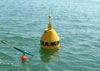
One of the problems to be solved, then, especially in lagoons and tropical atolls, it is to have an exit companion and to inquire in advance, at the Diving center, the trend of the tidal currents near the place. Typical phenomena of coral lagoons, in fact, depending on the time and the tided, determine currents in some cases violent and difficult to overcome for not expert swimmers. It's enough, however, swim a few tens of meters to find absolutely safe and quiet places: You must therefore know the currents beforehand and start tour possibly counter-tide for using the current in the return. |